
The Markhor and the Ibex are two of the most remarkable wild goat species found in mountainous regions of Asia, particularly in Pakistan, Central Asia, and the Himalayas. While they share similar habitats and belong to the goat family (Caprinae), they differ significantly in appearance, behavior, habitat preference, conservation status, and cultural importance.
Understanding the difference between Markhor and Ibex helps highlight the richness of mountain biodiversity and the importance of conservation.
1. Species Classification
| Feature | Markhor | Ibex |
|---|---|---|
| Scientific name | Capra falconeri | Capra sibirica (Himalayan Ibex) |
| Family | Bovidae | Bovidae |
| Subfamily | Caprinae | Caprinae |
| Conservation status | Near Threatened | Least Concern (regionally managed) |
2. Horn Structure (Most Distinct Difference)
Markhor
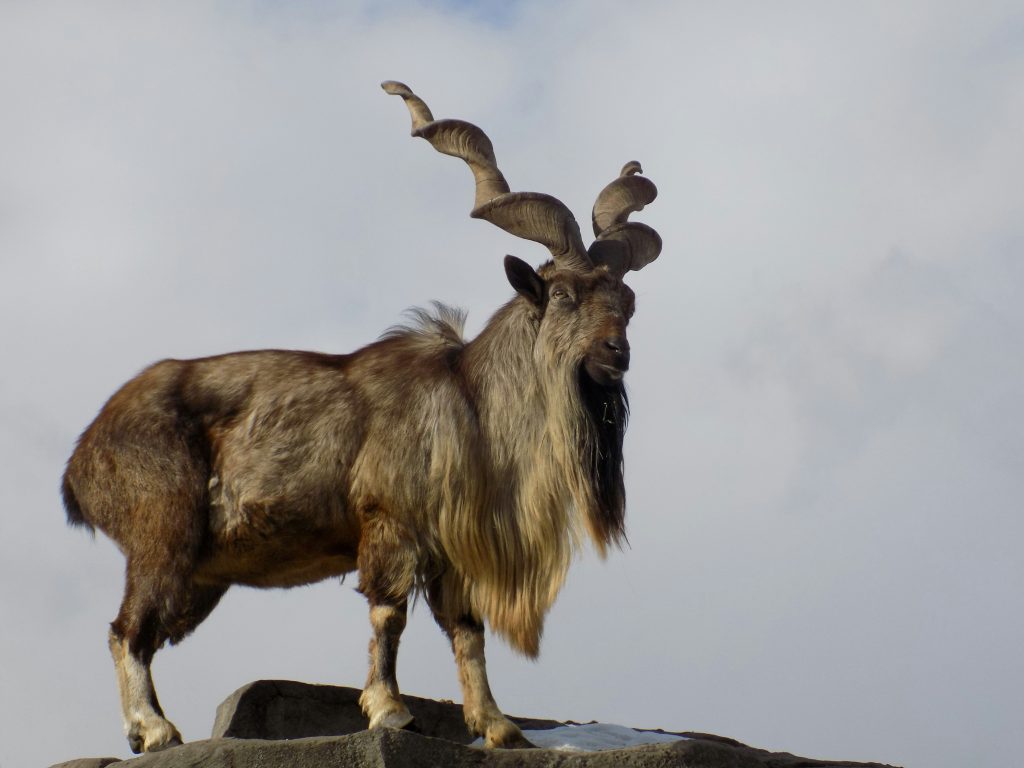
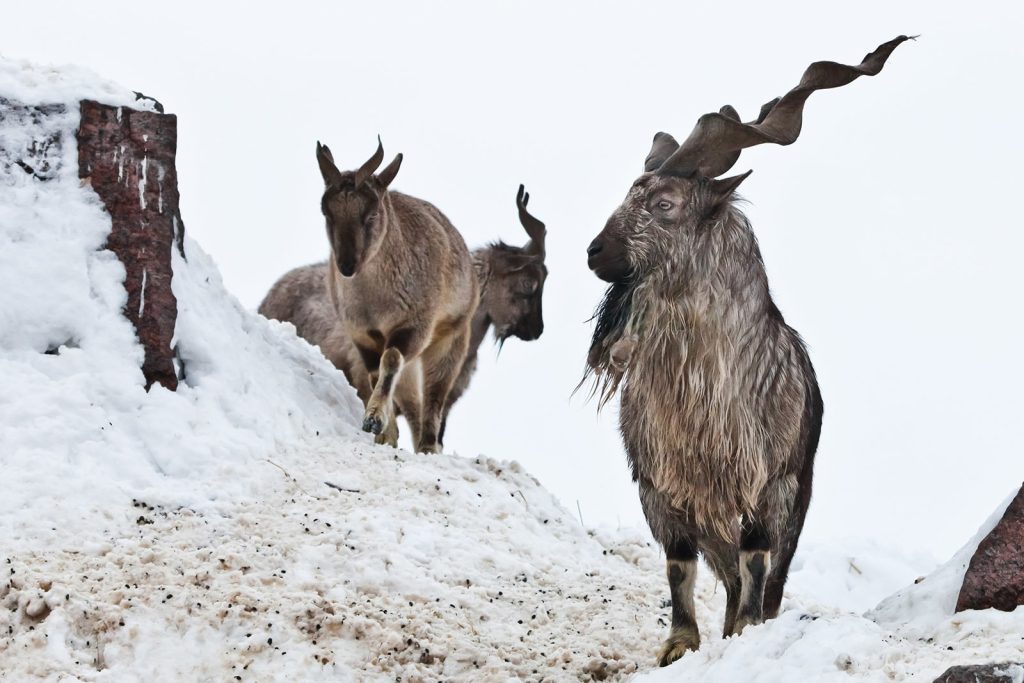
- Large, spiral or corkscrew-shaped horns
- Horns twist upwards in dramatic vertical spirals
- Can grow over 1.5 meters in mature males
- Symbol of strength and dominance
Ibex
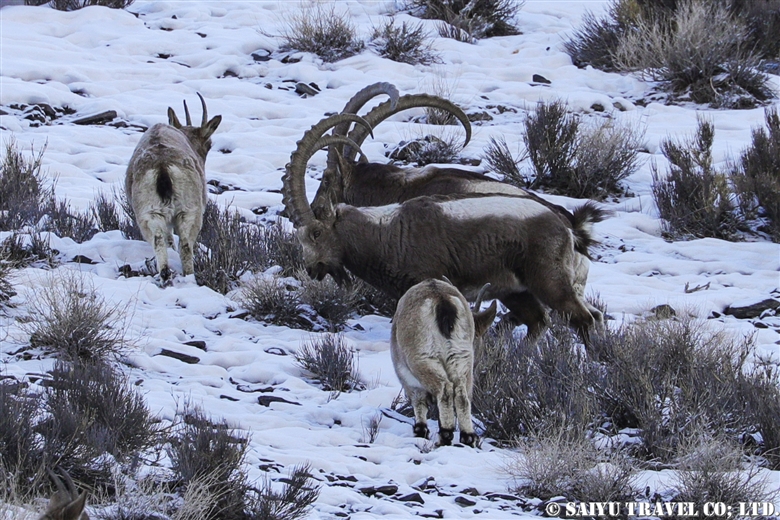
- Long, curved, backward-sweeping horns
- Horns form a smooth arc rather than spirals
- Often ridged, thick at the base
- Designed for fighting and climbing balance
👉 Key difference:
Markhor horns are spiraled, while ibex horns are curved backward.
3. Physical Appearance
Markhor
- Tall and muscular body
- Prominent long beard in males
- Coat color varies from tan to dark brown
- Looks more rugged and imposing
Ibex
- Compact and athletic body
- Shorter beard or none
- Lighter coat, often sandy or grayish
- Built for agility and steep terrain
4. Habitat & Range
Markhor Habitat
- Forested mountain slopes
- Rocky terrain mixed with scrub forests
- Elevation: 600–3,600 meters
- Common in northern Pakistan, Chitral, Gilgit-Baltistan
Ibex Habitat
- High-altitude alpine and sub-alpine zones
- Open cliffs and rocky ridges
- Elevation: 3,000–5,500 meters
- Found in Karakoram, Himalayas, Hindu Kush
👉 Key difference:
Ibex live higher and more exposed, while Markhor prefer lower forested slopes.
5. Behavior & Social Structure
Markhor
- Shy and cautious
- Small herds
- More solitary males
- Strong territorial behavior
Ibex
- Highly social
- Large herds, especially females
- Confident climbers
- Active at extreme heights
6. Diet & Feeding Habits
Both species are herbivores, but with slight differences:
Markhor Diet
- Leaves, shrubs, grasses
- Tree branches and forest vegetation
Ibex Diet
- Alpine grasses
- Mosses and lichens
- Sparse high-altitude plants
7. Conservation & Legal Hunting
Markhor
- National animal of Pakistan
- Trophy hunting strictly limited
- High conservation value
- Revenue funds community conservation
Ibex
- Population is stable in many regions
- Controlled trophy hunting allowed
- Widely used in conservation-based hunting programs
👉 Key difference:
Markhor is more protected and rare, while ibex is more abundant but still regulated.
8. Cultural & Symbolic Importance
Markhor
- Symbol of resilience and pride
- Deeply rooted in Pakistani culture
- Featured in national emblems and folklore
Ibex
- Symbol of mountain survival
- Important to local mountain communities
- Valued for ecological balance
9. Ecological Role
Both species:
- Maintain vegetation balance
- Support predator species (e.g., snow leopards)
- Indicate ecosystem health
However, ibex populations play a larger role in sustaining predator populations due to their numbers.
10. Summary of Key Differences
| Aspect | Markhor | Ibex |
|---|---|---|
| Horn shape | Spiral | Curved backward |
| Habitat | Forested mountains | High alpine cliffs |
| Elevation | Lower | Higher |
| Population | Rarer | More common |
| Conservation | Highly protected | Managed & regulated |
| Cultural status | National symbol | Regional importance |
Conclusion
While both the Markhor and Ibex are magnificent mountain species, they differ in horn structure, habitat, altitude preference, behavior, and conservation status. The Markhor stands out as a national symbol with iconic spiral horns, while the Ibex dominates the highest alpine zones with unmatched climbing ability.
Together, they represent the extraordinary wildlife heritage of Pakistan and the greater Himalayan region, emphasizing the importance of responsible conservation and sustainable wildlife management.