
Pakistan is home to one of the world’s most iconic mountain species—the Himalayan Ibex (Capra sibirica). Found across the towering ranges of the Karakoram, Hindu Kush, and Himalayan mountains, the ibex plays a crucial role in the country’s high-altitude ecosystems. Ibex trophy hunting in Pakistan is strictly regulated under a conservation-based permit system, designed to protect wildlife while supporting local communities.
This model has gained international recognition as a successful example of sustainable wildlife management.
Understanding Ibex Trophy Hunting in Pakistan
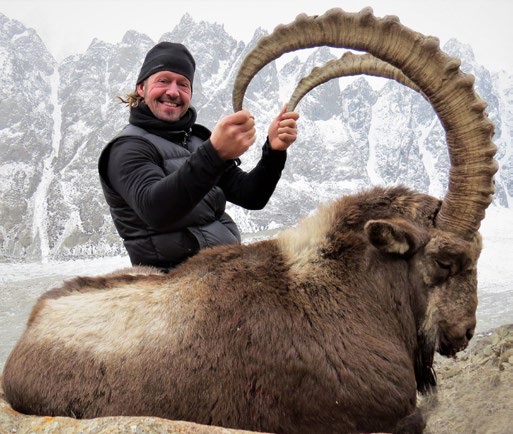
Ibex trophy hunting in Pakistan is legal, limited, and conservation-oriented. Unlike illegal poaching, trophy hunting operates under strict government regulations and scientific wildlife assessments.
Only a small number of mature male ibex—typically older animals that have already contributed genetically—are permitted to be hunted each season. This ensures that population health remains stable while generating funds for conservation.
Regions Where Ibex Hunting Is Permitted
Ibex hunting regions in Pakistan where trophy hunting is allowed only in designated community-managed conservation areas, including:
- Gilgit-Baltistan
- Skardu region
- Hunza and Nagar valleys
- Astore and Diamer districts
- Selected areas of Chitral
Each region has its own quota system based on annual wildlife surveys.
The Ibex Hunting Permit System in Pakistan
Who Issues Ibex Hunting Permits?
Ibex hunting permits are issued by:
- Provincial Wildlife Departments
- Community Conservation Committees
- Government-approved conservation programs
Permits are issued only during the official hunting season, typically between October and March, depending on the region.
How Ibex Hunting Permits Work
- Quota Allocation
Wildlife authorities conduct population surveys and allocate a limited number of permits annually. - Permit Auction or Allocation
Permits are often auctioned to national or international hunters, ensuring transparency and fair value. - Legal Authorization
The permit specifies:- Hunting area
- Season dates
- Species and number allowed (usually one ibex)
- Mandatory Monitoring
Hunts are supervised by:- Wildlife officials
- Local guides
- Conservation representatives
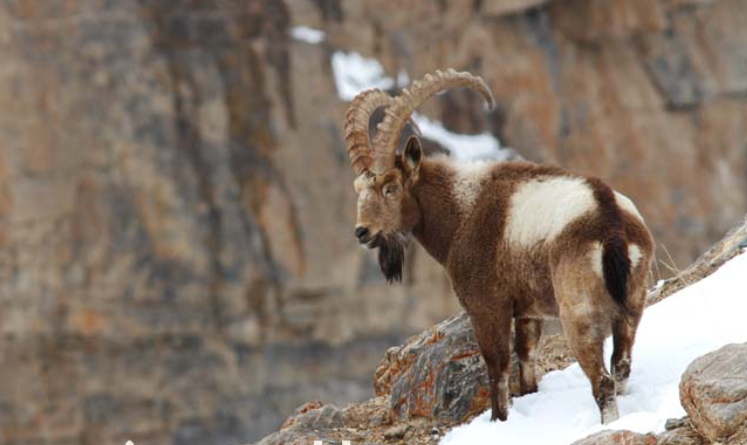
Cost of Ibex Hunting Permit in Pakistan
The cost of an ibex hunting permit varies by region and season but generally includes:
- Government permit fee
- Community conservation contribution
- Local guide and logistics support
A significant portion—often 70–80% of the permit revenue—goes directly to local communities for:
- Wildlife protection
- Education
- Healthcare
- Anti-poaching initiatives
Conservation Benefits of Ibex Trophy Hunting
1. Wildlife Protection
Permit revenue funds:
- Anti-poaching patrols
- Habitat preservation
- Scientific monitoring
2. Community Empowerment
Local communities become wildlife protectors rather than exploiters, as conservation directly benefits them.
3. Ecosystem Balance
Healthy ibex populations support predators such as the snow leopard, maintaining ecological balance.
Ethical Guidelines for Ibex Hunting
Ibex trophy hunting in Pakistan follows strict ethical standards:
- Only mature male ibex are hunted
- No hunting of females or young animals
- Fair-chase principles are enforced
- No automatic weapons or illegal methods
- Zero tolerance for violations
Violating permit terms can result in heavy fines and permanent bans.
Role of International Hunters
International hunters must:
- Apply through licensed outfitters
- Obtain valid visas and import permits
- Follow Pakistan’s wildlife laws strictly
- Hunt only within approved zones
All trophies are documented and cleared by wildlife authorities before export.
Challenges & Ongoing Improvements
Despite its success, the system faces challenges such as:
- Climate change affecting habitats
- Increased monitoring costs
- Need for more community training
To address these, Pakistan continues to strengthen:
- Wildlife governance
- Transparency in permit allocation
- Community involvement programs
Is Ibex Trophy Hunting Sustainable?
Yes—when properly regulated. Pakistan’s ibex hunting model is internationally recognized for:
- Increasing ibex populations in several regions
- Reducing illegal poaching
- Funding long-term conservation
It demonstrates how responsible hunting and conservation can coexist.
Conclusion
Ibex trophy hunting in Pakistan, when conducted under the official ibex hunting permit system, plays a vital role in wildlife conservation, community development, and ecosystem protection. Far from harming wildlife, this carefully managed approach has helped stabilize ibex populations while empowering local mountain communities.
Pakistan’s model stands as an example of how ethical hunting, legal permits, and conservation goals can work together for sustainable wildlife management.