
The Himalayan Ibex (Capra sibirica) is one of Pakistan’s most iconic mountain species, thriving in the rugged, high-altitude landscapes of the Karakoram, Hindu Kush, and Himalayan ranges. With its powerful build, curved horns, and remarkable adaptability, the Himalayan Ibex holds deep ecological, cultural, and economic importance—especially in Pakistan’s northern regions.
In Pakistan, himalayan ibex hunting is strictly regulated under a community-based trophy hunting program, designed not for exploitation, but for wildlife conservation, habitat protection, and local livelihoods.
Understanding Himalayan Ibex Hunting in Pakistan
Unlike unregulated hunting practices, Himalayan Ibex hunting in Pakistan operates under:
- Government-approved quotas
- Scientific population surveys
- International conservation guidelines
- Local community participation
Only old, non-breeding males are permitted for trophy hunting, ensuring population sustainability and genetic health.
Revenue generated is primarily reinvested into:
- Wildlife protection
- Anti-poaching efforts
- Community development
- Education and healthcare in remote mountain villages
Major Himalayan Ibex Regions in Pakistan
1. Gilgit-Baltistan (Primary Habitat)
Gilgit-Baltistan hosts the largest and healthiest populations of Himalayan Ibex in Pakistan.
Key Areas:
- Skardu Valley
- Kharmang
- Astore
- Hunza
- Nagar
- Ghizer
- Shigar
- Diamer
Notable Sub-Regions Ibex Hunting:
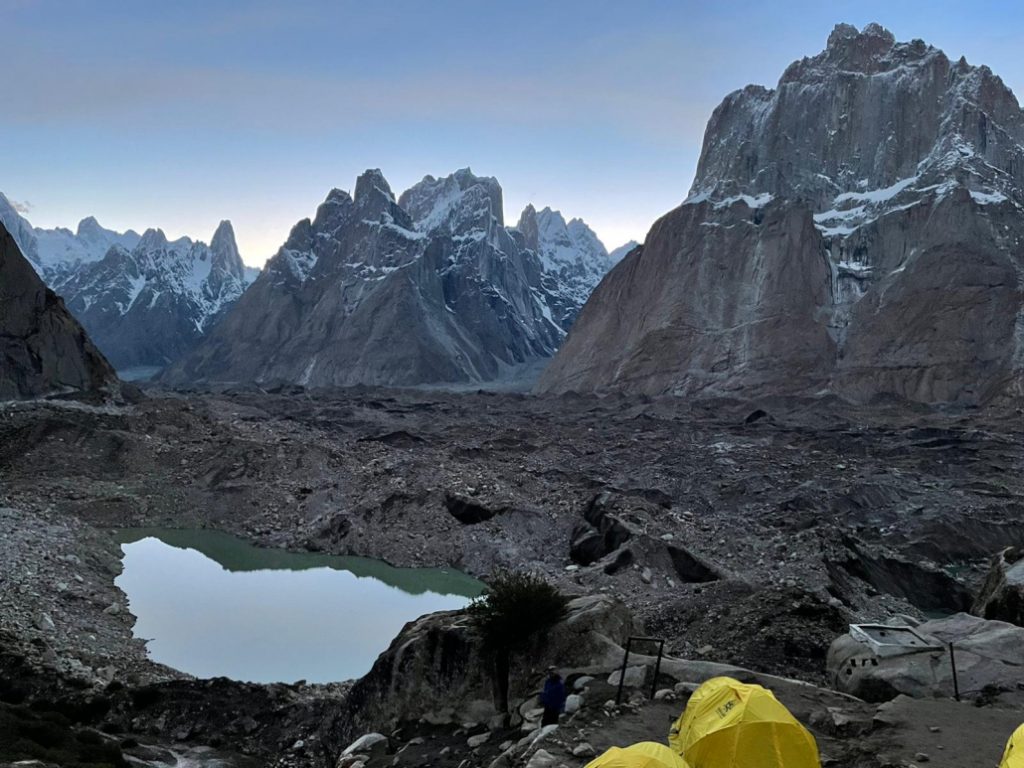
- Paiju & Baltoro region – dramatic glacial terrain
- Jhula Valley – known for controlled trophy zones
- Askole & Braldu Valley – remote conservation areas
These regions feature steep cliffs, alpine meadows, and sparse forests, ideal for ibex survival.
2. Chitral (Khyber Pakhtunkhwa)
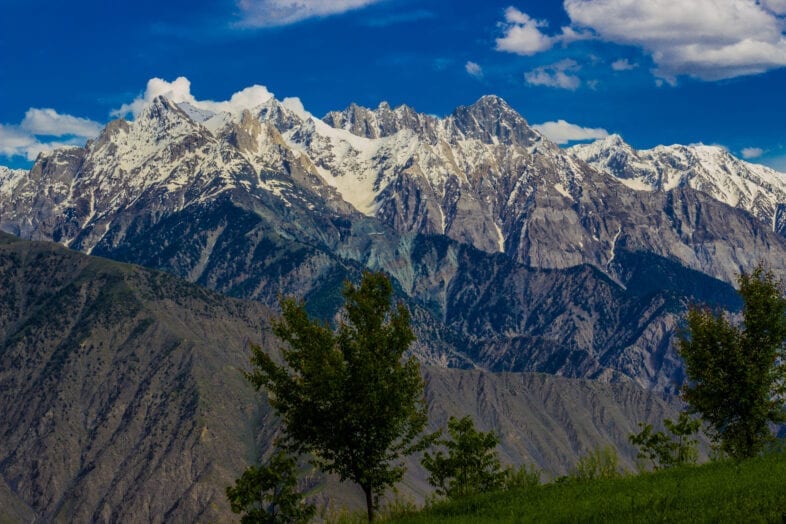
Chitral lies within the Hindu Kush range, where ibex coexist with species like Markhor and Snow Leopard.
Highlights:
- Community-managed conservancies
- Strong cultural respect for wildlife
- Increasing ecotourism integration
Hunting here is rare, tightly regulated, and deeply tied to conservation success.
3. Kohistan & Upper Indus Valleys
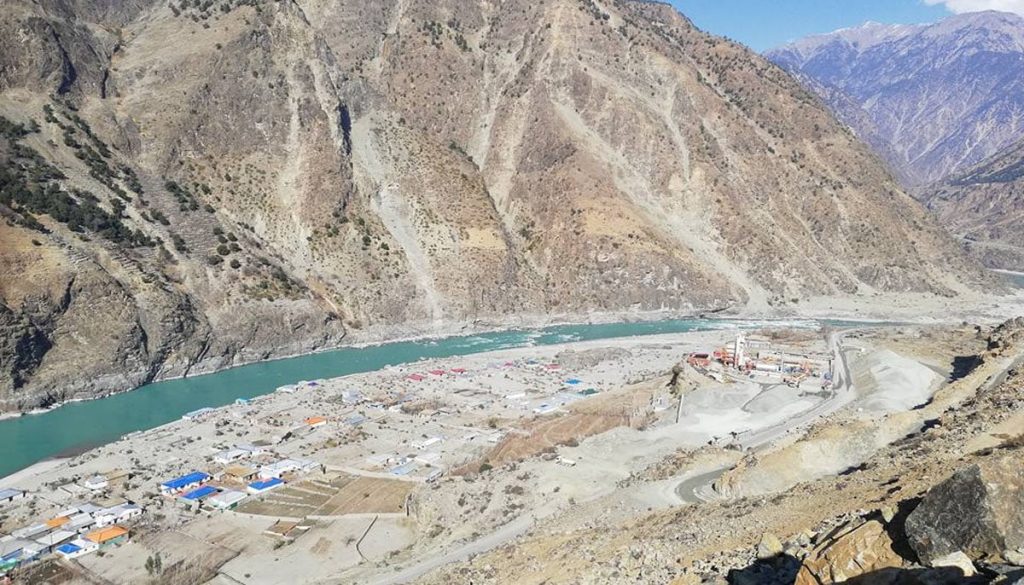
Parts of Upper Kohistan and Indus Valley regions also support ibex populations.
These areas are:
- Less accessible
- Managed under provincial wildlife departments
- Important wildlife corridors between regions
Conservation-Based Trophy Hunting Model
Pakistan follows a globally recognized conservation hunting model, supported by organizations such as IUCN-aligned wildlife programs.
How It Works:
- Annual population surveys determine quotas
- Limited permits are issued (often 1–2% of mature males)
- Local communities receive up to 80% of revenue
- Funds are reinvested in conservation and development
This approach has helped:
- Increase ibex populations
- Reduce illegal hunting
- Improve local attitudes toward wildlife protection
Safety, Ethics, and Legal Compliance
Himalayan Ibex hunting in Pakistan is not a casual activity. It requires:
- Official permits from wildlife departments
- Licensed outfitters and trained local guides
- Strict adherence to ethical hunting standards
- Compliance with CITES and national laws
Illegal hunting carries severe penalties and is actively discouraged by both authorities and local communities.
Role of Local Communities
Local communities are the guardians of ibex habitats.
Their involvement includes:
- Monitoring wildlife populations
- Preventing poaching
- Guiding legal hunting expeditions
- Supporting eco-tourism alternatives
This model ensures that wildlife has greater economic value alive than illegally hunted, creating long-term sustainability.
Ecological Importance of Himalayan Ibex
Himalayan Ibex play a vital role in:
- Maintaining alpine vegetation balance
- Supporting predator species like Snow Leopards
- Preserving mountain ecosystem stability
Healthy ibex populations indicate a healthy high-altitude ecosystem.
Beyond Hunting: Ecotourism & Wildlife Viewing
Many regions now promote:
- Wildlife photography
- Mountain trekking
- Conservation tourism
- Educational expeditions
These activities provide non-consumptive alternatives while maintaining economic benefits for communities.
Conclusion
Himalayan Ibex hunting in Pakistan is not about exploitation, but about carefully managed conservation, where science, tradition, and sustainability work together.
Through:
- Strict regulations
- Community participation
- Ethical wildlife management
Pakistan has demonstrated how responsible trophy hunting, when properly controlled, can contribute to biodiversity conservation, rural development, and ecosystem protection.
The future of the Himalayan Ibex depends on continued protection, transparency, and respect for nature—ensuring that these magnificent animals continue to roam Pakistan’s high mountains for generations to come.