
The Himalayan Ibex is one of the most iconic wild animals of Gilgit-Baltistan. Found in the rugged mountains of Skardu, Baltoro, Braldu, Jhula, and Paiju, this magnificent species has become a symbol of both natural heritage and community-led conservation. Today, regulated trophy hunting programs, wildlife tourism, and eco-initiatives play a major role in supporting local communities while protecting the Ibex population.
This guide provides a complete overview of Himalayan Ibex, its habitats, conservation strategies, and how responsible wildlife tourism functions in regions like Jhula and Paiju, two key points along the Baltoro Glacier trek or K2 Base Camp Trek
Understanding the Himalayan Ibex in the Baltoro Region
Scientific Name: Capra sibirica
Habitat:
- High-altitude cliffs (3,000–5,000 m)
- Rocky gorges
- Dry alpine slopes
Distribution in Skardu Region:
- Braldu Valley
- Shigar Valley
- Askole region
- Jhula
- Paiju
- Urdukas, Goro II (further towards Baltoro)
Characteristics:
The Himalayan Ibex is known for:
- Impressive curved horns (larger in males)
- Thick coat suited for extreme winters
- Exceptional climbing ability
- Living in herds (females & juveniles) while males often roam separately
The Karakoram mountains around Skardu provide ideal terrain for Ibex:
✔ Steep cliffs offer natural protection
✔ Remote areas reduce human disturbance
✔ Abundant forage in summer
✔ Long, sheltered valleys like Braldu and Shigar
Jhula and Paiju in particular—known as early camps on the K2 Base Camp route—are rich habitats where Ibex are frequently spotted during mornings and evenings.
Himalayan Ibex hunting has existed for centuries in Baltistan but historically took place at a subsistence or cultural level, long before modern regulations.
Pre-regulation era:
- Carried out by local communities
- Horns and hides used in households
- Hunting seen as a rite of passage
Modern era:
Since the 1990s, Pakistan adopted a Community-Based Trophy Hunting Program (CBTHP), which shifted hunting from unregulated to strictly controlled and highly limited.
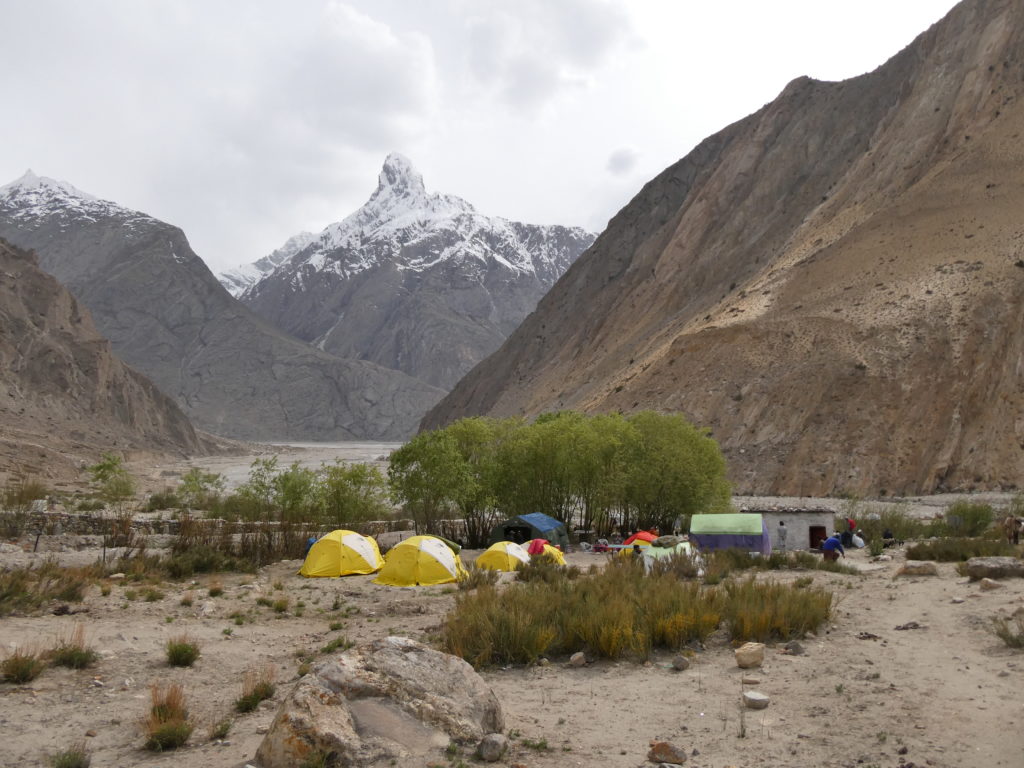
Ibex Habitat in Jhula & Paiju
Jhula (3,200 m altitude):
- Rocky cliffs surrounding the Braldu River
- Early morning sightings on ridgelines
- Winter months bring Ibex closer to lower valleys
Paiju (3,420 m altitude):
- Intersection of alpine slopes, forests, and glacier views
- Ibex herds roam above Paiju Peak and canyon walls
- Popular for wildlife viewing by trekkers
These areas remain untouched and are only visited by trekkers going to Baltoro, K2, Broad Peak, and Gasherbrum Base Camps.
Accessing Jhula & Paiju
Visitors generally reach these locations while trekking toward K2 Base Camp.
Route:
Skardu → Shigar → Askole → Jhula → Paiju
These areas are remote wilderness zones, requiring:
- Local guides
- Proper trekking gear
- Wildlife permissions for guided tours
The journey itself is part of the adventure.
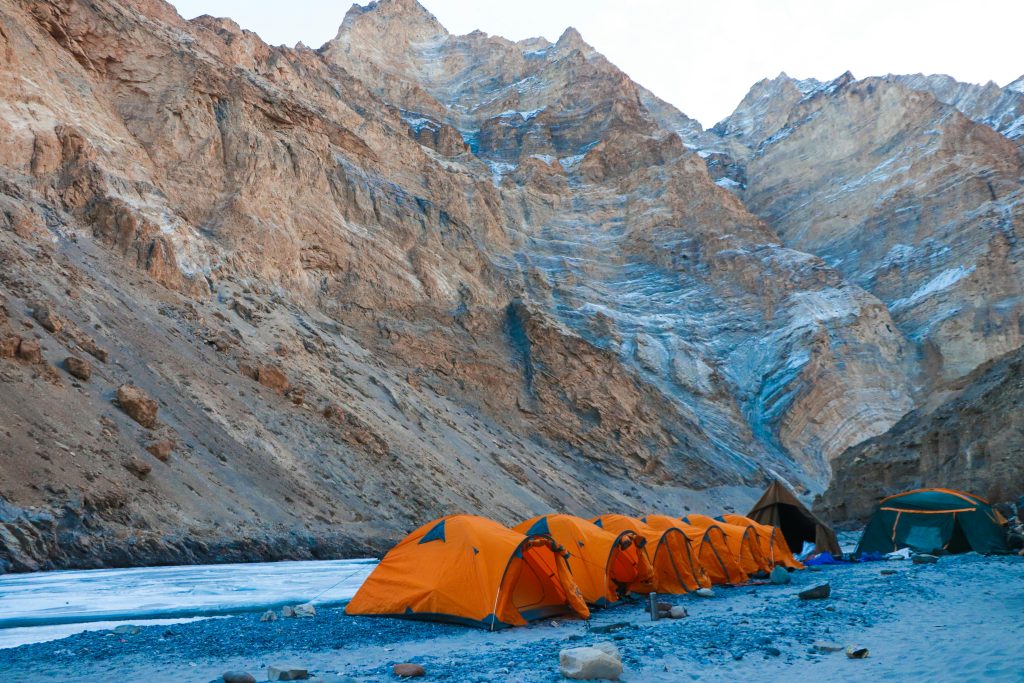
Impact on Local Communities
The regulated Ibex conservation model substantially benefits communities in:
- Askole
- Braldu
- Shigar
- Khaplu
- Skardu outskirts
Funds support:
- Schools
- Clinics
- Clean water supply
- Wildlife ranger salaries
- Anti-poaching patrols
This sustainable approach keeps communities invested in wildlife protection.
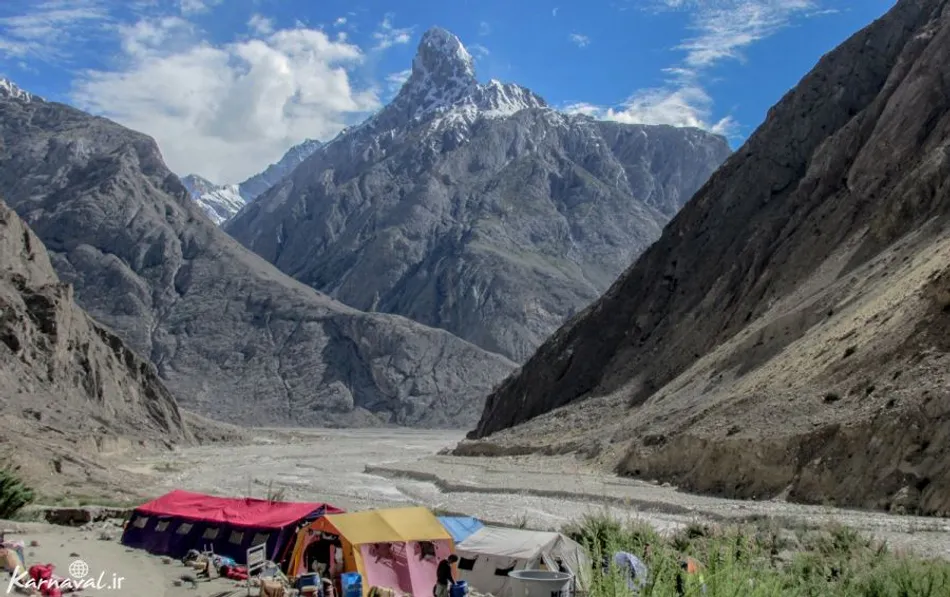
Legal Framework for Ibex Trophy Hunting
Pakistan allows Himalayan Ibex hunting only under highly controlled, government-regulated programs.
Key Points:
- Quotas are set annually by the Gilgit-Baltistan Wildlife Department.
- Only a very limited number of permits are issued per valley.
- Hunting revenue is divided between:
- 80% local community
- 20% government conservation fund
- Hunting is permitted only in designated community-managed zones.
- Foreign hunters (with high license fees) fund most conservation efforts.
❗ Important Note
Illegal hunting is strictly banned and heavily penalized.
This guide focuses only on educational and conservation-related information, not hunting instructions.
Ethical Guidelines for Visitors
Whether visiting for trekking, photography, or research:
- Never approach Ibex too closely
- Support community-based tourism
- Report any suspected illegal hunting
- Stay on designated trails
- Avoid feeding wildlife
- Respect local customs and eco-zones
The Ibex populations of Jhula, Paiju, and the greater Skardu region are a living treasure of the Karakoram. Community-centered conservation, scientific monitoring, and responsible tourism have transformed the area into a model for wildlife sustainability. Whether you are a trekker, nature photographer, researcher, or wildlife enthusiast, the Skardu region offers a rare chance to witness Himalayan Ibex in one of the most breathtaking landscapes on Earth.